
- 15 April 2026
- Back to overview
-
TOGU
Exercise builds strength: How we can encourage children to be more active through play
Children naturally move in a very instinctive way. They run, jump, climb, balance – and discover the world in the process. But in the everyday life of many families, reality looks different: long periods of sitting at school, homework, digital media, and a tightly scheduled daily routine often cause natural movement to shrink. Yet movement is not only important for physical development, but also for concentration, self-confidence, and emotional stability.
The good news: children can easily be motivated to move – if it is playful, varied, and free from performance pressure. This is exactly where the art of motivation begins.
Movement starts in the mind – and in the gut feeling
Children rarely follow rational arguments like “exercise is healthy.” They follow emotions. When movement is fun, when they are allowed to experiment, when they experience success, motivation arises naturally. That is why it is worth designing movement activities in a way that sparks curiosity and leaves room for their own ideas.
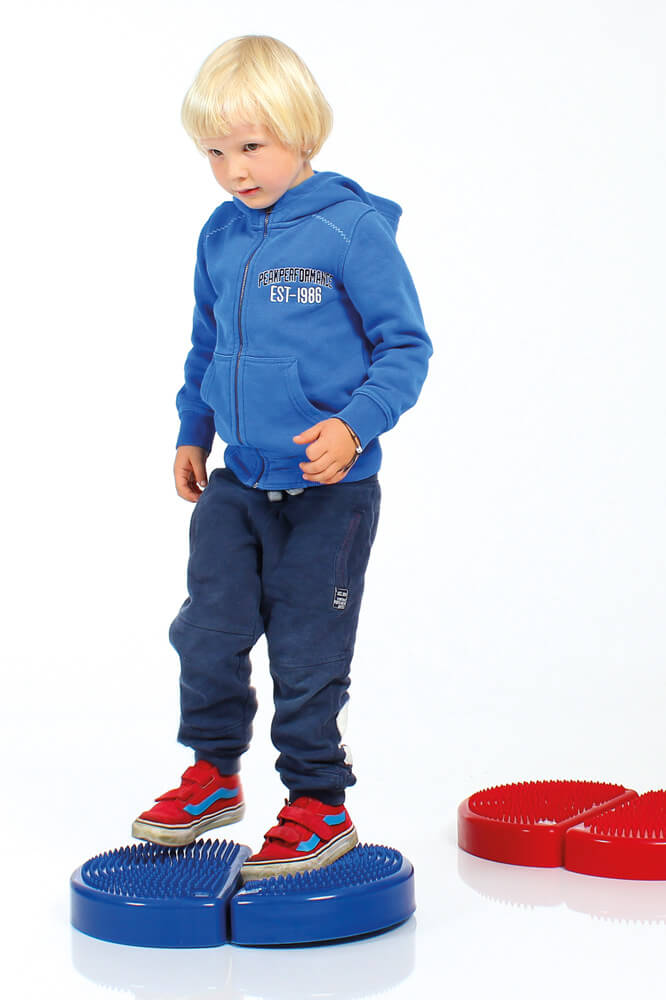
A child balancing on an unstable surface immediately feels how exciting it is to control their body. Another discovers through rolling, throwing, or jumping how much strength and skill they actually have. These moments are the driving force for long-term enthusiasm.
Small impulses, big impact
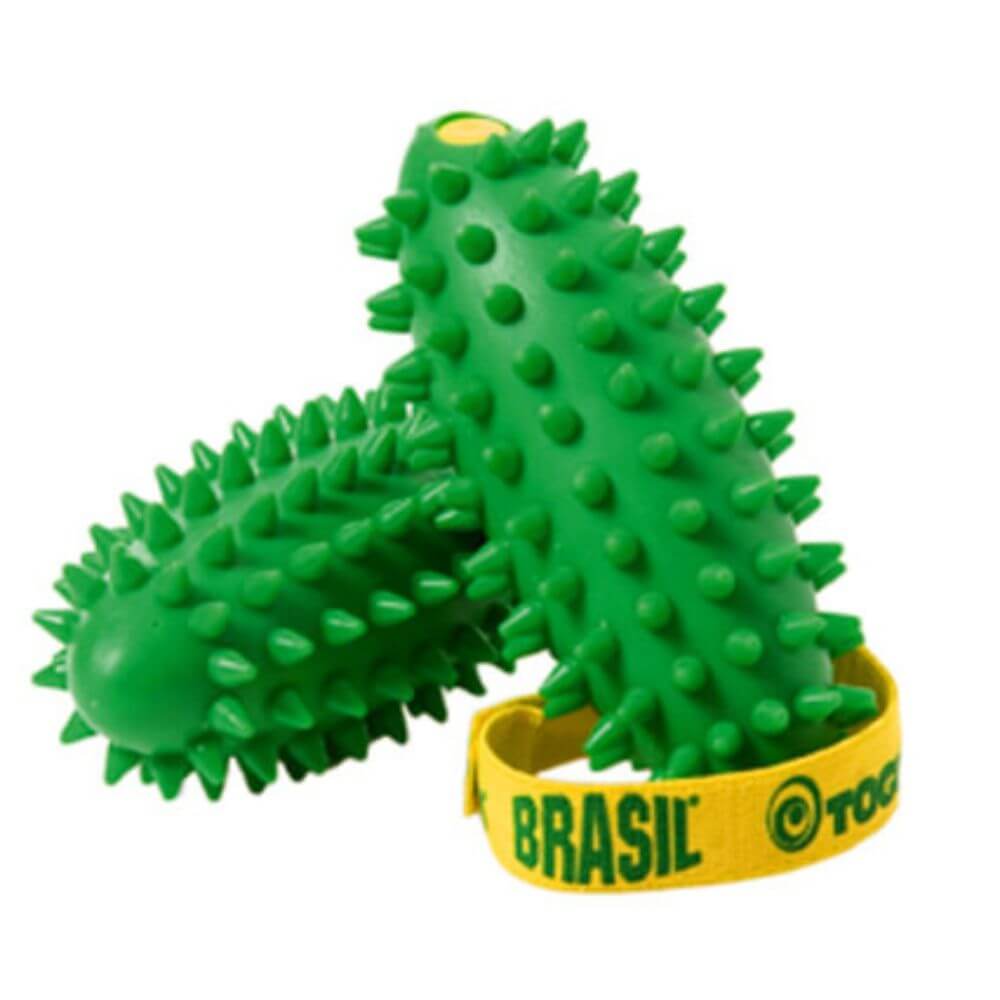
Often, there is no need for large sports programs. Just a few minutes a day can be enough to get children moving – provided the activity feels like a game. Products such as the TOGU Jumper, the Redondo Ball, or the Brasil are excellent for creating such playful impulses.
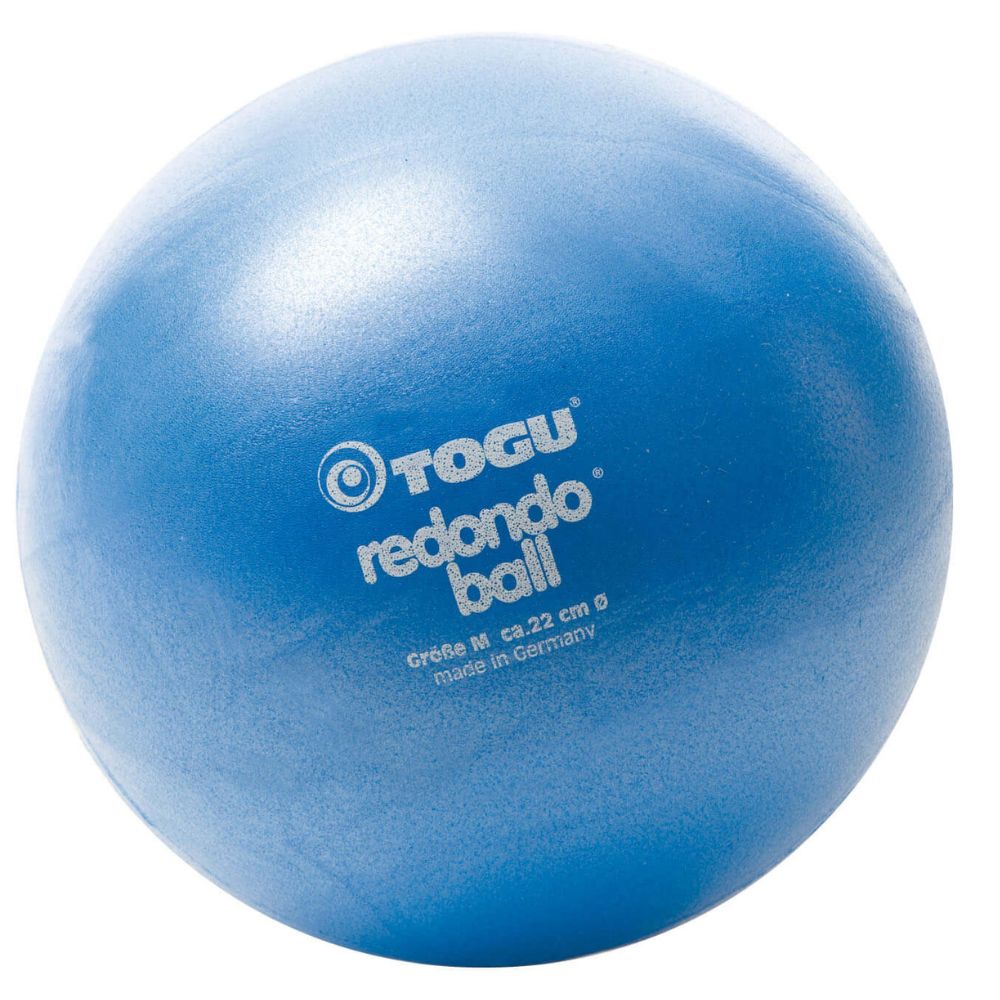
The Jumper quickly becomes a small stage for children: it invites them to hop, balance, and experiment. Many children spontaneously come up with their own ideas – from a “volcano” they must climb to a “stomp monster” they defeat with quick steps. The Redondo Ball, on the other hand, is light, soft, and versatile. It can be thrown, squeezed, rolled, or hidden as a “treasure.” And the Brasil? They are perfect for making movement audible and tangible. The light rattling enhances perception and makes every exercise more vivid.
Movement enhances concentration and self-confidence
What many people underestimate: movement is not only physically important. It also supports cognitive development. Children who regularly balance, jump, or roll train their sense of balance, coordination, and body awareness – skills closely linked to attention and learning ability.
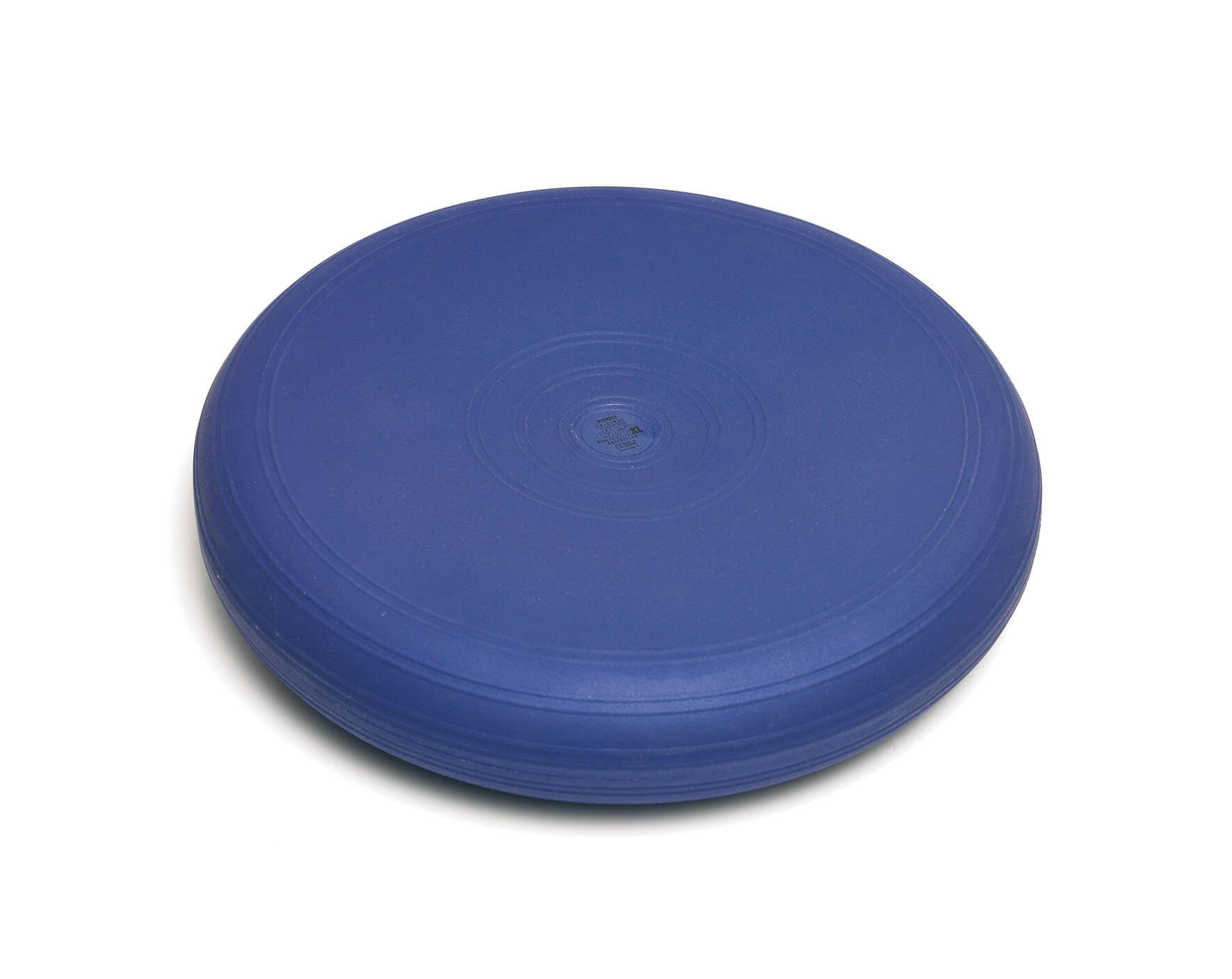
A child sitting on a Dynair balance cushion or performing small balance tasks on it not only strengthens their muscles but also their ability to focus. Many parents report that their children are calmer, more balanced, and more concentrated after short movement breaks. Movement creates success experiences – and these strengthen self-confidence.
Integrating movement into everyday life – without pressure
The most important factor for sustainable motivation is an environment that makes movement feel natural. This does not mean planning a daily sports program. It is much more helpful to integrate movement into small everyday moments:
- Balancing on curbs on the way to school
- Standing on one leg while brushing teeth
- Setting up a small “jump island” in the living room with the Jumper
- Using the Redondo Ball as a “magic ball” that can only be passed on after moving first
Children love rituals – and when movement becomes part of these rituals, motivation develops naturally.
Conclusion: Children need movement – and movement needs imagination
Children do not need to be “convinced” to move. They need to be inspired. With playful ideas, small challenges, and versatile materials such as the Jumper, Dynair, or Redondo Ball, an environment is created in which movement becomes what it should be again: an adventure.


-
 Bewegungsspiele für drinnen: So toben Kinder fröhlich durch den HerbstHalb fünf, draußen nieselt es, und im Wohnzimmer klettert jemand zum dritten Mal über die Sofalehne. Mit der Zeitumstellung am 25. Oktober wird es noc...Mehr lesen
 -
 Equestrian fitness is much more than just a traditional full-body workoutRider fitness is much more than a traditional full-body workout. This highly effective fitness course, specifically designed to meet the needs of ride...Mehr lesen
 -
 70 Years of TOGU – Seven Decades of Ball Manufacturing by Lake ChiemseeHow two brothers in Prien-Bachham by Lake Chiemsee developed the first seamless play ball in 1956 – and turned it into a family business that is now r...Mehr lesen
 -
 Neurofitness: Why Training Your Brain May Be One of the Smartest Investments in Healthy AgingWhen people think about fitness, they usually focus on muscles, strength, or endurance. But every movement we make starts somewhere else first: the br...Mehr lesen
 -
 Balance Can Be Trained – And It’s More Important Than EverWhen people think of balance training, they often associate it with older adults or rehabilitation programs. In reality, balance is a fundamental comp...Mehr lesen
 -
 Why Muscle Strength Is a Key Biomarker for Healthy AgingFor many years, blood pressure and cholesterol levels were considered some of the most important indicators of overall health. Today, however, researc...Mehr lesen
 -
 Longevity Starts with Movement – Why Strength and Balance Are Essential for Healthy AgingMore and more people want not only to live longer but also to remain healthy, active, and independent for as long as possible. This is the core idea b...Mehr lesen
 -
 A day full of activity, learning, and hands-on experienceSpecialist Workshop: Movement Competence in Canine Therapy – Holistic Concepts for Rehabilitation, Training, and Sustainable Performance on 29.04.2026Mehr lesen
 -
 TOGU Medicine Ball Classic: The Athletic Tool for athletesMore power, more control – why the TOGU Medicine Ball is a must-have in athletic training You train hard. You want results. And you know that the righ...Mehr lesen
 -
 Unter der Lupe: TOGU® Brasil - mehr als nur ein FitnessbegleiterHeute testen wir für Euch die TOGU® Brasil. Ihr kennt diese kleinen stacheligen Kiwi-großen, mit Gewicht gefüllten Dinger vielleicht aus dem Fitness-B...Mehr lesen
 -
 TOGU: Moving Together for Health Day 2026 – Inspiration, exercise, and powerful motivation for an active lifestyleMovement connects, inspires, and creates new energy – that is exactly what the TOGU Together for Healthy Movement Day 2026 is all about on Saturday, O...Mehr lesen
 -
 TOGU at therapie MÜNCHEN 2026The therapy MÜNCHEN 2026 brings together the therapy industry from Southern Germany, Austria and Switzerland on 19 and 20 June 2026 and sets important...Mehr lesen