
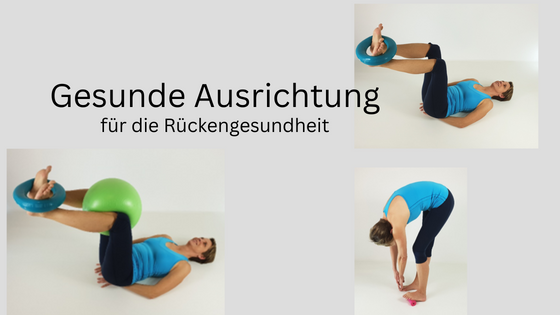
Back pain is the number one common disease. Most people suffer from back, hip and shoulder pain these days, and often the cause is an “imbalance” in the body’s statics. Therefore, healthy posture plays a crucial role in a healthy back. An upright posture relieves the spine and avoids unnecessary pressure on the intervertebral discs and joints. One-sided stress and incorrect posture, on the other hand, can lead to tension and pain in the back. Correct posture also improves breathing and blood circulation in the body, which overall contributes to an increased sense of well-being. So a healthy posture and body axis is an important foundation for a healthy back. In this article, you will find, among other things, tips on how to functionally align the body axis to prevent pain in the long term.
Interaction of our health and back posture
Healthy back posture is vital to our health for a number of reasons. Here are some reasons why good posture is essential for back health:
- Avoiding back pain: poor posture can lead to back pain. When we bend our back or tilt our head forward, the weight of the head is not evenly distributed, which can cause tension and pain in the back.
- Improved breathing: An upright posture can improve breathing by opening the chest and fully expanding the lungs.
- Improved digestion: an upright posture can also improve digestion by not compressing the stomach and abdominal organs, aiding the digestive process.
- Improved Posture: An upright posture can help us feel more confident and energetic. Good posture can also help us to have a good charisma and have a positive effect on others.
Overall, healthy back posture is an important factor in our overall health and well-being.
How is the body axis related to back health?
The body axis is a concept from the biomechanical view of human movement. The body axis runs along the center of the body and connects the center of gravity of the body to the ground. Healthy posture is closely related to the alignment of the body axis. When the spine is aligned along the body axis, the weight of the body is distributed evenly among the bones and muscles and the load on the spine is minimized. In contrast, poor posture, where the spine is not aligned along the body axis, can lead to incorrect loading, increasing the risk of back problems. Therefore, good alignment of the body axis is an important factor for healthy posture and a healthy back.
How to maintain a healthy back posture
Healthy back posture can be maintained through regular attention and specific exercise. Here are some tips that can help:
- Awareness: Pay attention to your posture in everyday life and try to remember to sit or stand up straight. Imagine that you have a string pulling you up from above to straighten your spine.
- Exercise: One of the best ways to maintain healthy back posture is through regular exercise and targeted workouts. Aerobic exercise such as running, swimming or cycling can help strengthen back muscles and improve posture.
- Stretching: Regular stretching exercises can help maintain flexibility and mobility of the spine and relax the muscles. Here are some stretching exercises that can help: Knee to chest, hip flexor stretch, side bend, bridge.
- Ergonomics: Make sure your workstation is ergonomically designed to support good posture. An appropriate seat height, a good sitting position, an upright posture and a suitable distance to the screen can help to maintain a correct posture.
- Take breaks: Get up and walk around regularly to promote blood circulation and avoid one-sided strain. Breaks can also help reduce tension and pain in the back.
- Complementary measures: In some cases, complementary measures such as massage, acupuncture or physiotherapy can help to relax the back muscles and improve posture.
By doing a combination of these, you can protect your back and maintain a healthy back posture.
Prevention of back problems through a healthy back posture
A healthy back posture can help prevent back problems. The spine and its surrounding muscles form the center of the body. Incorrect posture can put strain on the spine and, over time, lead to pain and injury.
An upright posture that keeps the spine in its natural position distributes the body’s weight evenly, reducing pressure on the discs. This reduces the risk of injury and pain.
Healthy back posture requires strong core muscles and flexibility. Regular physical activity such as yoga or Pilates can help strengthen these muscle groups and improve spinal flexibility. Targeted stretching of the back and abdominal muscles and regular breaks from sitting can also help keep the back healthy.
Incorrect posture while sitting, standing or walking can also increase pressure on certain parts of the spine, which can lead to discomfort and pain. Conscious posture and regular monitoring of one’s posture can help reduce pressure on the spine and prevent back problems.
Our TOGU expert advises:
In order to promote the “all-in” alignment of the body, my training concept looks like this:
- Warm-up with multi-directional, fascia-oriented movement patterns and awareness exercises.
- Activate local muscle systems with e.g. axis-aligning single-leg stance variations (turn head, toe lift…)
- Use primarily standing exercises with flowing to springy-pressing preparations in the following exercise position (following the example of myofascia).
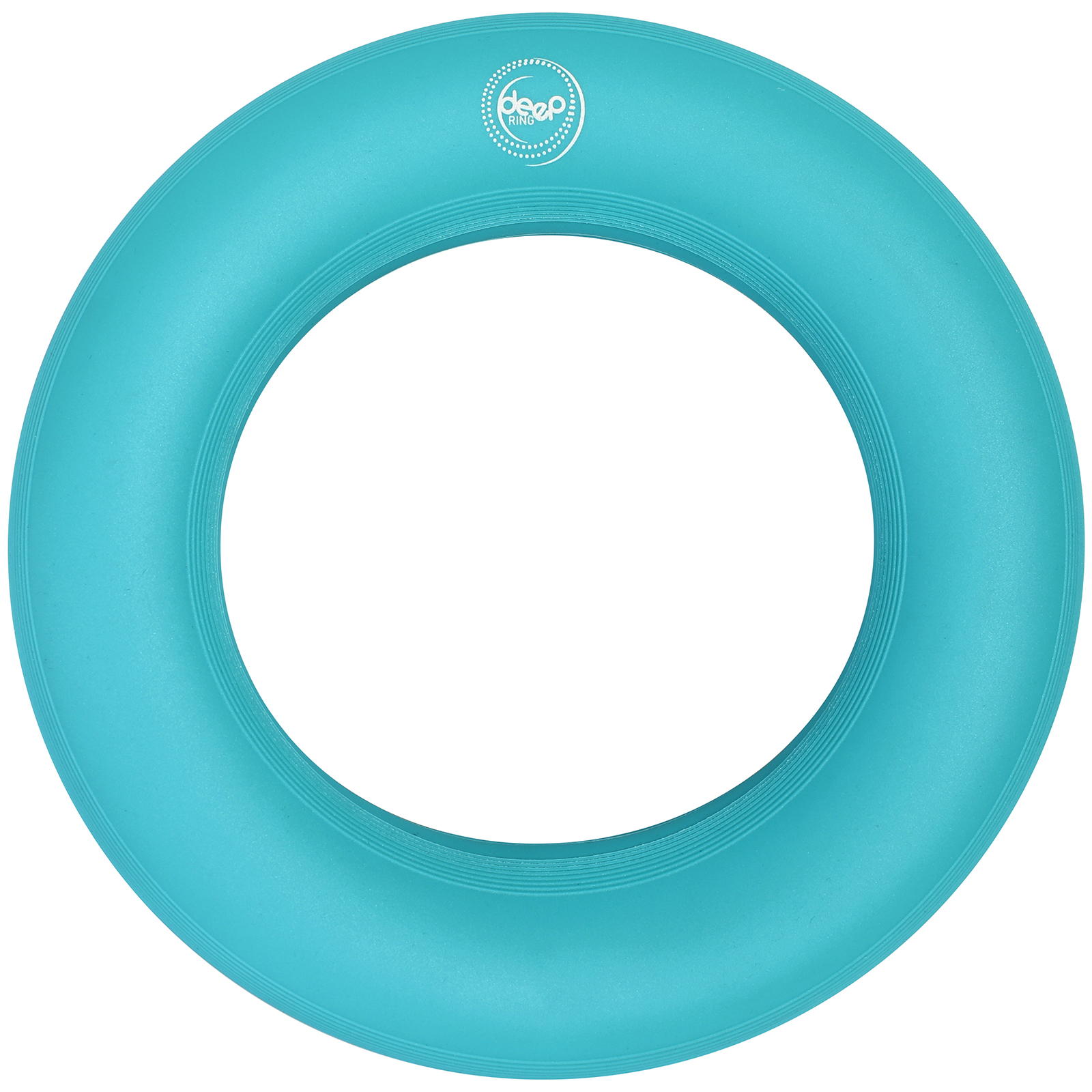
- Develop stabilizing, symmetrical exercises, increase them progressively with asymmetrical loads and, if necessary, challenge them reactively later (e.g. jumping variations or work with reactive forces, e.g. deepRING).
- Relaxation with flowing stretches without taking full advantage of the stretching stimulus or perception exercises
Our expert Nici Mende, Fascial Coach
My exercise tips are:
Back-Extension – for a healthy back
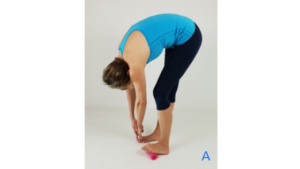
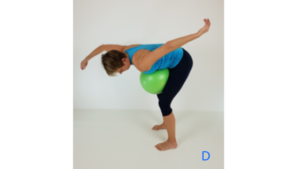
1. To prepare for back extension – simple springy movements if necessary unequal leg alignment (A).
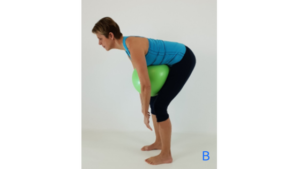
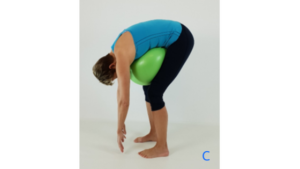
2. Then, with the upper body supported, bend and stretch the back (B + C). Execution with secured cervical lordosis
3. Variables could be swinging arms and fluidly changing back movements (D).
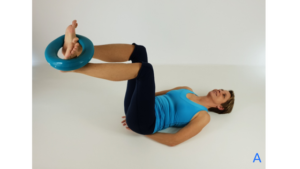
Depth-sensitive muscle group training in the supine position – for a stable body axis:
1. The fascia ring is simply stretched over the feet and the hands rest under the pelvis for back support (A).
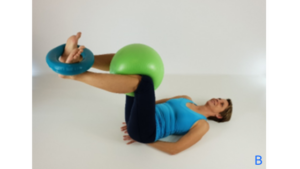
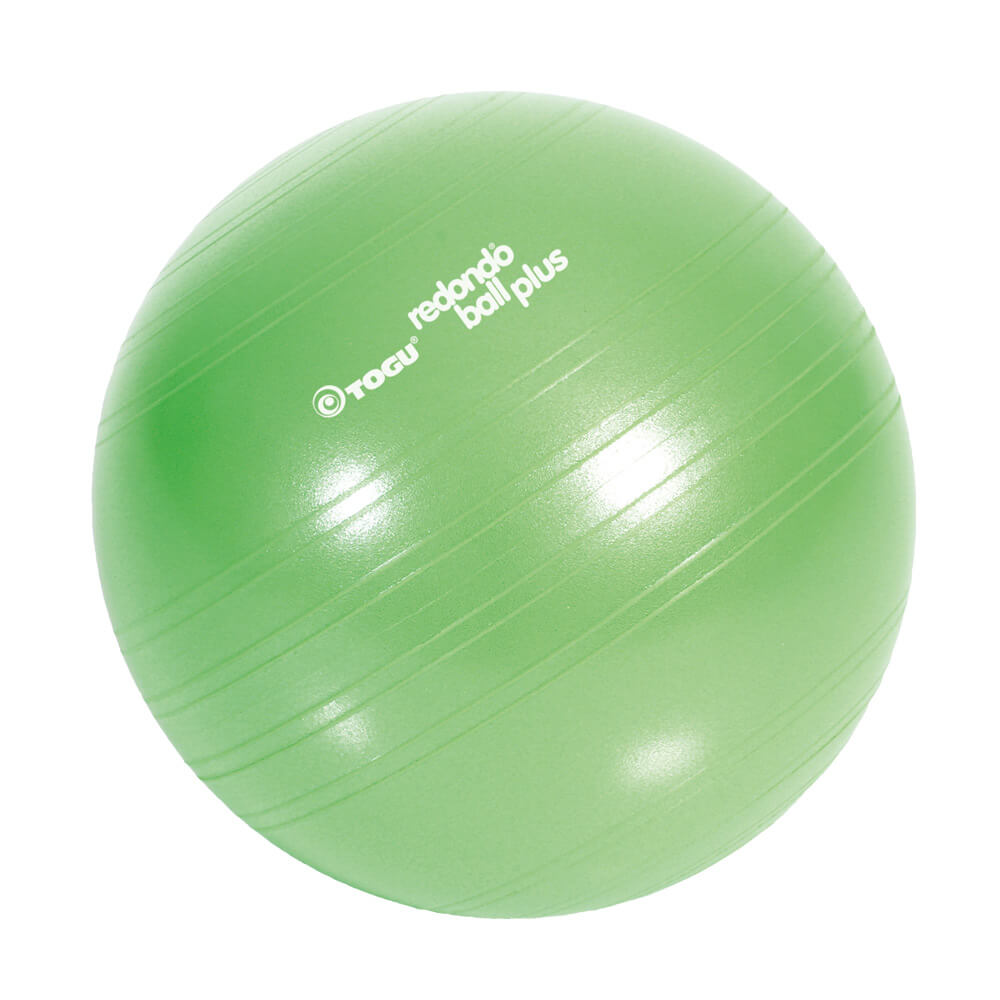
2. With active abductors and fine pelvic movements, the balls begin to rotate in the ring. A combined promotion of the abductors and adductors succeeds with the clamping of a gymnastic ball (Redondo Plus Balls) (B).
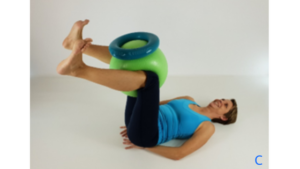
3. Only the adductors and an immensely high stimulation on the trunk and pelvic floor is achieved with the ring placed on the ball (C).
These products from TOGU might interest you:


-
 Bewegungsspiele für drinnen: So toben Kinder fröhlich durch den HerbstHalb fünf, draußen nieselt es, und im Wohnzimmer klettert jemand zum dritten Mal über die Sofalehne. Mit der Zeitumstellung am 25. Oktober wird es noch früher dunkel, und der Spielplatz rückt für viele Familien in die Ferne. Die Energie der Kinder bleibt. Sie braucht nur einen neuen Ort.Mehr lesen
 -
 Equestrian fitness is much more than just a traditional full-body workoutRider fitness is much more than a traditional full-body workout. This highly effective fitness course, specifically designed to meet the needs of riders, focuses precisely on the areas where stability, mobility and subtle aids in the saddle originate. Instead of conventional one-size-fits-all workouts, the focus is on targeted exercises for the shoulder girdle, back and deep core muscles, pelvic floor, diaphragm and respiratory muscles, as well as the stabilising muscles around the pelvis and hips.Mehr lesen
 -
 70 Years of TOGU – Seven Decades of Ball Manufacturing by Lake ChiemseeHow two brothers in Prien-Bachham by Lake Chiemsee developed the first seamless play ball in 1956 – and turned it into a family business that is now run by the third generation and inspires movement around the world.Mehr lesen
 -
 Neurofitness: Why Training Your Brain May Be One of the Smartest Investments in Healthy AgingWhen people think about fitness, they usually focus on muscles, strength, or endurance. But every movement we make starts somewhere else first: the brain.Mehr lesen
 -
 Balance Can Be Trained – And It’s More Important Than EverWhen people think of balance training, they often associate it with older adults or rehabilitation programs. In reality, balance is a fundamental component of nearly every movement we make—regardless of age.Mehr lesen
 -
 Why Muscle Strength Is a Key Biomarker for Healthy AgingFor many years, blood pressure and cholesterol levels were considered some of the most important indicators of overall health. Today, however, research is increasingly highlighting another powerful predictor of healthy aging: muscle strength.Mehr lesen
 -
 Longevity Starts with Movement – Why Strength and Balance Are Essential for Healthy AgingMore and more people want not only to live longer but also to remain healthy, active, and independent for as long as possible. This is the core idea behind longevity: it is not just about extending lifespan, but about increasing our healthspan—the years in which we maintain physical and mental well-being.Mehr lesen
 -
 A day full of activity, learning, and hands-on experienceSpecialist Workshop: Movement Competence in Canine Therapy – Holistic Concepts for Rehabilitation, Training, and Sustainable Performance on 29.04.2026Mehr lesen
 -
 TOGU Medicine Ball Classic: The Athletic Tool for athletesMore power, more control – why the TOGU Medicine Ball is a must-have in athletic training You train hard. You want results. And you know that the right tools make all the difference. The TOGU Medicine Ball Klassik is no nostalgic relic from the gym class era – it's one of the most effective pieces of equipment for explosive strength training, coordination, and functional athleticism.Mehr lesen
 -
 Unter der Lupe: TOGU® Brasil - mehr als nur ein FitnessbegleiterHeute testen wir für Euch die TOGU® Brasil. Ihr kennt diese kleinen stacheligen Kiwi-großen, mit Gewicht gefüllten Dinger vielleicht aus dem Fitness-Bereich oder aus dem Rückentraining. Aber diese kleinen Brasil lassen sich auch wunderbar in der Psychomotorik einsetzten, das möchten wir Euch heute gerne aufzeigen.Mehr lesen
 -
 TOGU: Moving Together for Health Day 2026 – Inspiration, exercise, and powerful motivation for an active lifestyleMovement connects, inspires, and creates new energy – that is exactly what the TOGU Together for Healthy Movement Day 2026 is all about on Saturday, October 17, 2026 in the Priental Hall in Aschau im Chiemgau.Mehr lesen
 -
 TOGU at therapie MÜNCHEN 2026The therapy MÜNCHEN 2026 brings together the therapy industry from Southern Germany, Austria and Switzerland on 19 and 20 June 2026 and sets important impulses for practice, training and rehabilitation.Mehr lesen